
The Details That Create a Truly High-End Interior: 12 Architect Tips
In a high-end renovation in Paris, it’s rarely the grand gestures that make a space exceptional. It’s the details. Luxury interior architects know this well: every finish, every line, every material matters. Here are 12 concrete tips that make the difference between a space that’s simply beautiful… and one that feels genuinely high-end.
Luxury Renovation: The Art of Detail, Serving Overall Cohesion
Renovating a property in a high-end way in Paris is far more than replacing flooring or redoing a kitchen. It’s about creating a cohesive project where every choice — from the light switches to the wall color — contributes to a feeling of quality. Luxury isn’t just seen; it’s felt. In a city like Paris, where historic apartments meet contemporary design, high-end renovation requires full mastery of interior architecture, technical execution, and refined taste.
1. Prioritize Noble and Authentic Materials
In a luxury renovation project, the choice of materials is never an afterthought. Architects consistently opt for natural, durable, timeless materials. Genuine marble, solid wood, travertine, and patinated brass are all chosen not only for their beauty but for their ability to convey quality. They age gracefully, add rich visual texture, and increase the property’s value.
2. Integrate Lighting Into the Architectural Design
Lighting isn’t just functional; in a high-end renovation, it becomes a structural element of interior design. It is planned from the earliest sketches to highlight lines, create atmospheres, and showcase materials. A balance of direct and indirect lighting, built-in fixtures, and dimmers allows the ambiance to shift subtly throughout the day.
3. Use Custom-Made Elements for a Seamless, Cohesive Look
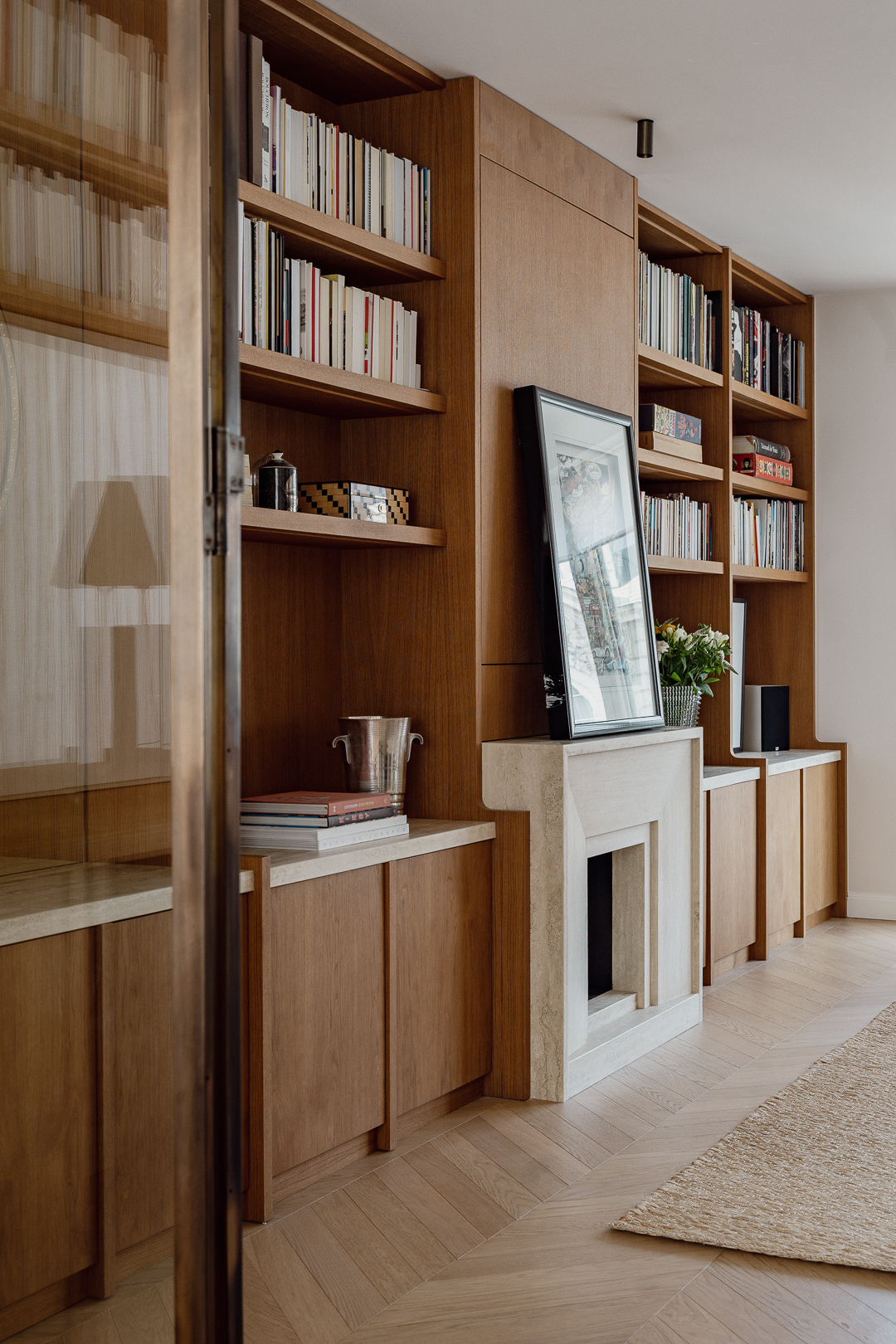
Made-to-measure pieces are a hallmark of luxury. In a high-end interior, architects design bespoke shelving, storage, headboards, and partitions perfectly adapted to the space. This precision work not only optimizes volumes but ensures visual continuity throughout the home. Functional, elegant, and harmonious.
4. Treat Openings With Care
Doors, windows, and other openings play a crucial role in perceived quality. A high-end approach includes refined textiles — full-height linen or velvet curtains, recessed rails, lined fabrics — combined with carefully chosen joinery. The final result should feel natural, fluid, almost invisible, yet essential to the atmosphere.
5. Create a Cohesive, Controlled Color Palette
In luxury interiors, color doesn’t rely on trends. It envelops, calms, unifies. Architects choose sober, natural, mineral tones. Shades of beige, warm grey, ivory, and brown, enhanced with deeper accents like midnight blue or forest green, create elegant and timeless atmospheres. Consistency across floors, walls, joinery, and textiles is essential.
6. Refine All Technical Elements
In a high-end renovation, functional elements should never disrupt the aesthetic. Designers choose stylish switches — brass, ceramic, matte metal — that blend perfectly into the décor. Outlets are hidden in furniture or neatly recessed. Even ventilation, home automation, and heating systems are integrated with visual precision.
7. Design the Bathroom as a Well-Being Space
The bathroom is no longer merely technical. In a luxury project, it becomes a sanctuary. Natural stone, large-format tiles, and premium fixtures set the tone. Layouts often include walk-in showers with minimalist glass, recessed niches, soft lighting, and custom cabinetry. It’s a space designed for comfort as much as beauty.
8. Practice Restraint in Decoration
High-end interiors aren’t defined by accumulation but by intention. Architects prefer one strong artwork rather than several weaker decorative pieces, handcrafted objects, limited-edition design pieces, and a consistent style aligned with the overall project. Nothing is random; everything has purpose.
9. Choose Furniture That Fits the Space
Furniture plays a key role in elegance — as long as it suits the proportions. In a meticulously renovated Parisian apartment, each piece must be scaled properly, neither oversized nor too light, and should flow naturally within the space. A low sofa highlights ceiling height, airy armchairs lighten a living room, and a custom table fits a complex dining nook.
10. Integrate the Kitchen Into the Architectural Harmony
As the heart of the home, the kitchen must meet the same aesthetic standards as the rest. Clean lines, noble materials (stone, textured wood, matte lacquer), fully integrated appliances, invisible handles, indirect lighting, and refined finishes allow the kitchen to blend seamlessly into the décor while remaining fully functional.
11. Maintain Visual Continuity Between Rooms
One secret to a cohesive interior is fluidity. Transitions between spaces should feel natural, without abrupt stylistic or material breaks. This involves consistent flooring, subtle material echoes, coordinated colors, and holistic planning from the start. This visual thread reinforces the quiet luxury found in the finest interiors.
12. Achieve Flawless Execution
A high-end renovation cannot exist without impeccable craftsmanship. Finishes — often unnoticed by untrained eyes — make all the difference: clean joints, perfect alignments, precise installation, perfectly drawn angles. Luxury lies in this level of care and attention. It’s what transforms a good project into an exceptional one.
Further Reading
High-end renovation in Paris is not just about aesthetics. It relies on a culture of detail, an ability to design the space as a whole, and the ambition to create beauty that lasts. Applied rigorously, these twelve principles shape a unique interior aligned with both the history of the property and contemporary expectations. Because a luxury interior is defined not only by how it looks, but by how it feels to live in — every detail matters.
For more information on luxury renovations and project management in Paris, feel free to explore our other articles and discover our projects .