
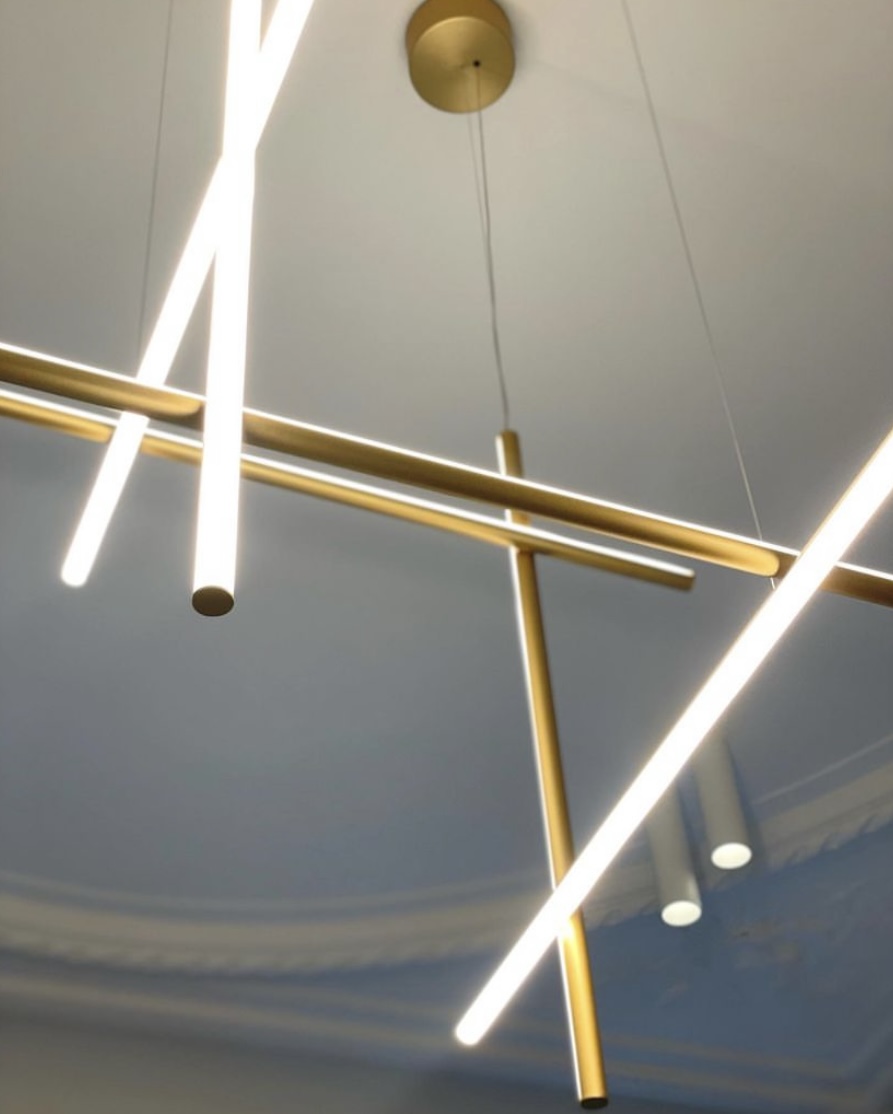
Light and Volume: The Key to High-End and Luxury Renovation
In the world of high-end renovation, light plays a central role. It shapes the perception of volume, reveals materials, structures spaces, and creates a unique atmosphere specific to each interior. It is not merely a functional element, but a true tool of architectural staging.
Light as the Language of Space
In every luxury renovation project, light acts as a structural element. It defines how volumes are perceived, enhances architectural forms, and allows space to be shaped without physical partitions. Light becomes a visual language—a subtle way of telling the story of a place, creating contrasts, drawing the eye, or introducing moments of visual breathing within the layout. It works hand in hand with materials, textures, and lines to create overall harmony.
The perception of volume is directly influenced by how light is distributed across surfaces. A room can appear larger, taller, or deeper simply through a carefully designed lighting scheme. The use of indirect lighting, grazing light, or accent lighting refines spatial contours and reveals the sophistication of an interior.
A Fully-Fledged Architectural Tool
Far from being a decorative afterthought added at the end of a project, light is an integral part of architectural thinking from the very first design phases. It supports the organization of volumes, highlights certain areas, and softens others depending on the desired effect. It can reinforce a sense of fluidity, create smooth transitions between spaces, or deliberately mark a contrast between different atmospheres.
Lighting is also a powerful way to bring spaces to life. It introduces rhythm, depth, and highlights details such as moldings, rare materials, or artworks integrated into the project. In high-end renovations, light is often embedded directly into the architectural elements themselves—cornices, suspended ceilings, staircases, wall panels, or bespoke furniture. Everything is designed so that light appears to naturally emanate from the architecture.
Natural Light: The First Ally of Elegance
Daylight plays a fundamental role in enhancing volumes. It creates a sensory connection between interior and exterior, allows atmospheres to evolve throughout the day and seasons, and brings incomparable visual quality to a space. In high-end renovation projects, natural light is fully embraced through large openings, glass roofs, bay windows, or skylights. Each orientation is carefully leveraged to generate a luminous dynamic that elevates materials and perspectives.
By working with natural light, interior architects precisely balance contrasts. A north-facing space benefits from warm tones and highly reflective materials, while a south-facing interior may require subtle filtering to preserve softness while harnessing the sun’s intensity. This mastery of the relationship between light and material gives the project its true depth.
Artificial Lighting: Precision and Sophistication
When natural light fades, artificial lighting takes over with absolute precision. Each light source is selected based on color temperature, intensity, beam angle, and aesthetic quality. In luxury renovation, lighting is custom-designed to suit the unique configuration of every space. It structures interiors, creates different atmospheres throughout the day, and enhances the overall sensory experience.
High-end lighting systems integrate the latest technologies, particularly home automation, allowing full control of lighting through remote systems or pre-programmed scenarios. This intelligent lighting management makes it possible to transform an atmosphere in seconds, adapt lighting for dining, reading, or entertaining, and deliver unparalleled comfort and ease of use.
An Alchemy Between Light and Noble Materials
Material selection is essential in luxury renovation, and its interaction with light plays a key role in the elegance of a space. Polished marble reflects light brilliantly, amplifying the sense of volume. Matte wood absorbs light, creating a more intimate and enveloping ambiance. Glass, brass, leather, fine fabrics, and textured finishes also significantly influence how light moves through a space.
Light reveals materials in all their richness. It enhances textures, highlights intentional imperfections, and brings finishes to life. It gives depth to surfaces that might otherwise appear neutral. This relationship between lighting and materiality is where the true subtlety of high-end projects lies—each element is designed to fully express itself through light.
Bespoke Design as the Signature of Luxury
In high-end renovation, nothing is left to chance. Lighting is designed on a bespoke basis, combining technical expertise with artistic sensitivity. Every detail is carefully considered so that lighting integrates seamlessly into the architecture and contributes to overall harmony. The goal is not simply to illuminate, but to create atmosphere, express intent, and give meaning to space.
This personalized approach translates into exceptional light fixtures, invisible integrated lighting systems, and refined control of contrasts and nuances. The result—always fluid and natural—is the product of precise craftsmanship and a keen aesthetic sensibility. Lighting thus becomes a powerful emotional vector, serving comfort, refinement, and the unique identity of each project.
Key takeawayKey Takeaway
In a high-end renovation project, light is a true driver of spatial transformation. It structures, reveals, enhances, and adds a sensory dimension to interiors. Through masterful control of its effects on volumes, colors, and materials, light enables the creation of exceptional spaces—where every detail comes alive and elegance is felt in every corner.
For more information on luxury renovations and project management in Paris, feel free to explore our other articles and discover our projects .