
High-End Renovation in Paris’s 16th Arrondissement: What to Know Before You Start
The 16th arrondissement holds a place of its own in high-end renovation in Paris. Once made up of three villages, Auteuil, Passy and Chaillot, annexed to Paris in 1860, it now comprises four administrative districts, Auteuil, La Muette, Porte-Dauphine and Chaillot, each with a very different atmosphere and building stock. Renovating in the 16th therefore means understanding the address before drawing up the project: a Haussmannian apartment near the Trocadéro, an Art Deco building in La Muette, a villa in Auteuil or a townhouse do not raise the same technical questions or the same regulatory constraints.
This article outlines the specific features of the buildings in the 16th, the points to watch on a building site in the arrondissement, and the way a general contractor in Paris organises a high-end renovation from start to finish.
One arrondissement, four districts, very different buildings
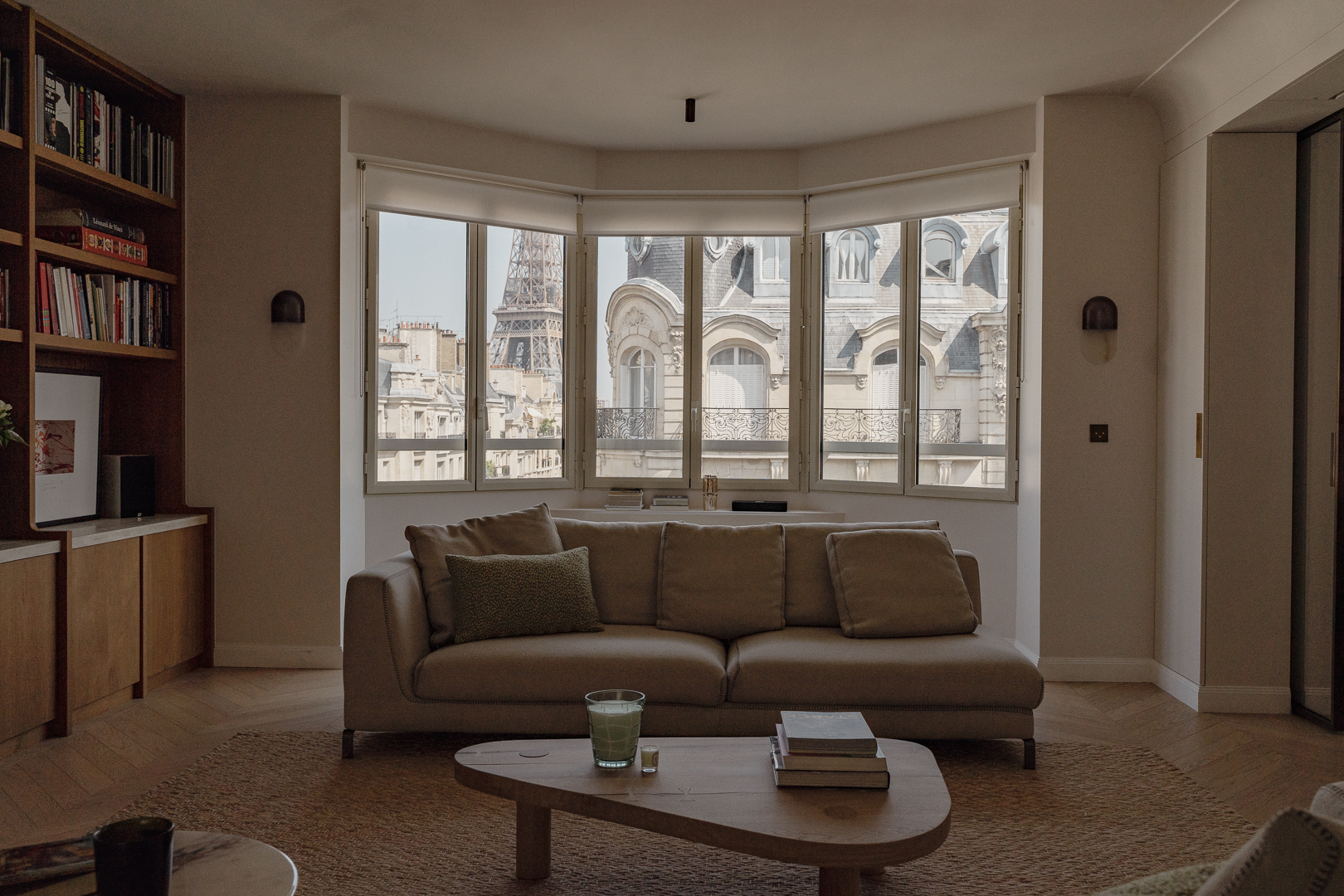
In Chaillot, on the hill overlooking the Seine, you will mostly find 19th-century apartment buildings and townhouses, with open views of the Eiffel Tower and a neighbourhood of palaces, museums and embassies. The Palais de Chaillot, built in the 1930s, and the Trocadéro gardens shape the landscape and explain why many addresses fall within protection perimeters.
Passy and La Muette, as you move down towards the Bois de Boulogne, offer a calmer residential fabric: large family apartments with generous reception rooms, Haussmannian buildings and early 20th-century buildings. This is where much of the demand for full renovations is concentrated, with projects that cover layout, technical installations and finishes alike.
Auteuil stands out for its villas, houses with gardens and private cul-de-sacs. The district was also a testing ground for architecture: Hector Guimard designed the Castel Béranger there at the end of the 19th century, Le Corbusier the La Roche and Jeanneret houses in 1923-1925, and Robert Mallet-Stevens the street that bears his name, inaugurated in 1927. This neighbourhood of modernist signatures does not mean that every address is protected, but it is a reason to check the status of the building before any work on the façade or structure.
Finally, Porte-Dauphine and the edges of the Bois de Boulogne, home to the Fondation Louis Vuitton, combine well-built apartment buildings and wide avenues. For a comparative look at the districts of central Paris and the Left Bank, our article on renovating in the Triangle d'Or, Saint-Germain or the Marais is a useful complement.
Haussmannian apartment, Art Deco, villa or townhouse: what each property requires
The Haussmannian apartment in the 16th shares with those of other arrondissements its high ceilings, mouldings, parquet floors and fireplaces. The challenge is to modernise the utilities, acoustic insulation and layout without erasing these decorative features. We go into these trade-offs in our article on renovating a Haussmannian apartment.
Art Deco and interwar buildings, numerous in La Muette and Auteuil, call for a different approach. Their floor plans are often more functional, their original joinery, ironwork and finishes have value in their own right, and concrete or cut-stone structures require a precise diagnosis before moving a partition or opening up a space. Light plays a central role here, which echoes our thoughts on light and volume in high-end renovation..
For a villa or a townhouse, the project changes in scale. The structure and roof, the utilities, the outdoor spaces and sometimes an extension must all be coordinated, with more structuring planning permissions. Coordination then becomes decisive, as we explain in our guide to renovating a luxury villa..
Constraints specific to a building site in the 16th
The first constraint is the condominium. In the 16th, as elsewhere in Paris, most properties are in multi-owner buildings. The condominium rules apply to work affecting common areas or the exterior appearance, and they may also set site hours, permitted days and the conditions for using the lift or staircase. Approval from the general meeting is required for some work, and notice periods must be built into the schedule. The essential rules are set out in our article on renovating in a Parisian condominium..
The second constraint is heritage. Some buildings are protected as historic monuments, others lie within the protection perimeter of a listed or registered building, which makes changes visible from the outside subject to the opinion of the architecte des Bâtiments de France. The surroundings of the Trocadéro, Chaillot and certain emblematic addresses in Auteuil are particularly affected. Checking the status of the building and the applicable urban planning document must therefore happen before the design stage, not after.
The third constraint is logistical. Narrow streets, private cul-de-sacs, deliveries of heavy materials such as marble or natural stone, waste management and consideration for neighbours all call for careful preparation. Hours for noisy work are regulated by Parisian rules and, in a condominium, by the building's own rules. Careful phasing avoids conflicts and protects the common areas.
Why entrust your project to a general contractor in Paris 16th
A high-end renovation quickly involves around ten trades: masonry, electrics, plumbing, fitted joinery, marble work, painting, home automation, lighting. The general contractor coordinates everything under a single contract: they price, plan, select and manage the craftspeople, check the quality of execution and remain the point of contact for the client, the interior architect and the managing agent. In the 16th, where finishing standards are high and building constraints are many, this single point of management reduces the risk of delays and poorly handled interfaces.
In practice, they act at several levels: upstream, for the technical and regulatory feasibility study, the pricing and the schedule; during the works, for coordinating the trades, quality monitoring and compliance with condominium rules; at the end of the project, for handover, clearing snags and delivering the documents. For a detailed presentation of this role and the selection criteria, you can read our guide to choosing a general contractor in Paris and our definition of the general contractor..
Custom-made work, the signature of 16th-arrondissement interiors
In the large apartments of the 16th, built-in bookcases, dressing rooms, wall panelling and fitted joinery are tailored to the proportions of the rooms and to the original features. Marble and natural stone find their place in bathrooms, kitchens and entrance halls. These works require specialist workshops, production lead times that fit the schedule and installation carried out with method. We come back to these points in our articles on custom-made work in an exceptional interior and on the signature bathroom.
The stages of a renovation project in the 16th
The project begins with a visit and a diagnosis: condition of the building, utilities, structure, status of the building and condominium constraints. Next comes the design, carried out with the interior architect or the client's architect, followed by detailed pricing and the preparation of the necessary files, whether a request for condominium approval or a planning declaration. The works are then planned by package, with validation milestones, before handover and finishing. The detail of this method is set out in our article on the key steps between design and completion, and the question of timelines is covered in our article on anticipating the timelines of a renovation site in Paris.
Clients in the 16th also often have projects that extend beyond the périphérique, towards Neuilly-sur-Seine and western Paris. We discuss this in our article on high-end renovation in Neuilly-sur-Seine..
Frequently asked questions about renovating in the 16th
Do you need the condominium's approval to renovate an apartment in the 16th?
It depends on the nature of the work. Purely interior work within private areas is in principle free, subject to the condominium rules. Work affecting common areas, the structure, façades or the exterior appearance requires approval from the general meeting. The condominium rules should always be read before launching the project.
Is my building subject to heritage protection?
This must be checked address by address, by consulting the City of Paris urban planning document and the historic monuments database. A building may be protected in its own right, or located within the protection perimeter of a monument, in which case changes visible from the outside are subject to the opinion of the architecte des Bâtiments de France.
What is the difference between a general contractor and a traditional project management firm?
A project management firm (maîtrise d'œuvre) designs and oversees the works, while each firm contracts separately with the client. The general contractor takes charge of delivery under a single contract and coordinates the trades themselves. The two approaches can be combined with an interior architect who designs the project.
How long does a full renovation in the 16th take?
The duration depends on the surface area, the condition of the property, the level of finish, the permissions required and the lead times for custom-made work. It cannot be reliably estimated until after a visit and a feasibility study.
Discussing your project in the 16th
CRAFT Paris acts as general contractor on high-end renovations in Paris, notably in the 16th arrondissement. If you are preparing a project in Passy, Auteuil, La Muette or Chaillot, you can tell us about your property and your schedule via the contact page so that we can discuss feasibility and our way of working.
This article is provided for general informational purposes only. It has no contractual value and does not constitute an offer, quotation or commitment by its publisher. It cannot replace a written contract signed by the parties. Information relating to regulations, guarantees, insurance and planning or condominium approvals is provided as of the publication date, may change over time and does not constitute legal, tax, technical or insurance advice. As each project has its own specific characteristics, it is recommended that you consult a lawyer, notary, architect, insurer or other qualified professional before making a decision. The publisher accepts no liability for any use made of this information. The cited legislation, including Articles 1792 et seq. of the French Civil Code, should be checked against the version currently in force.